
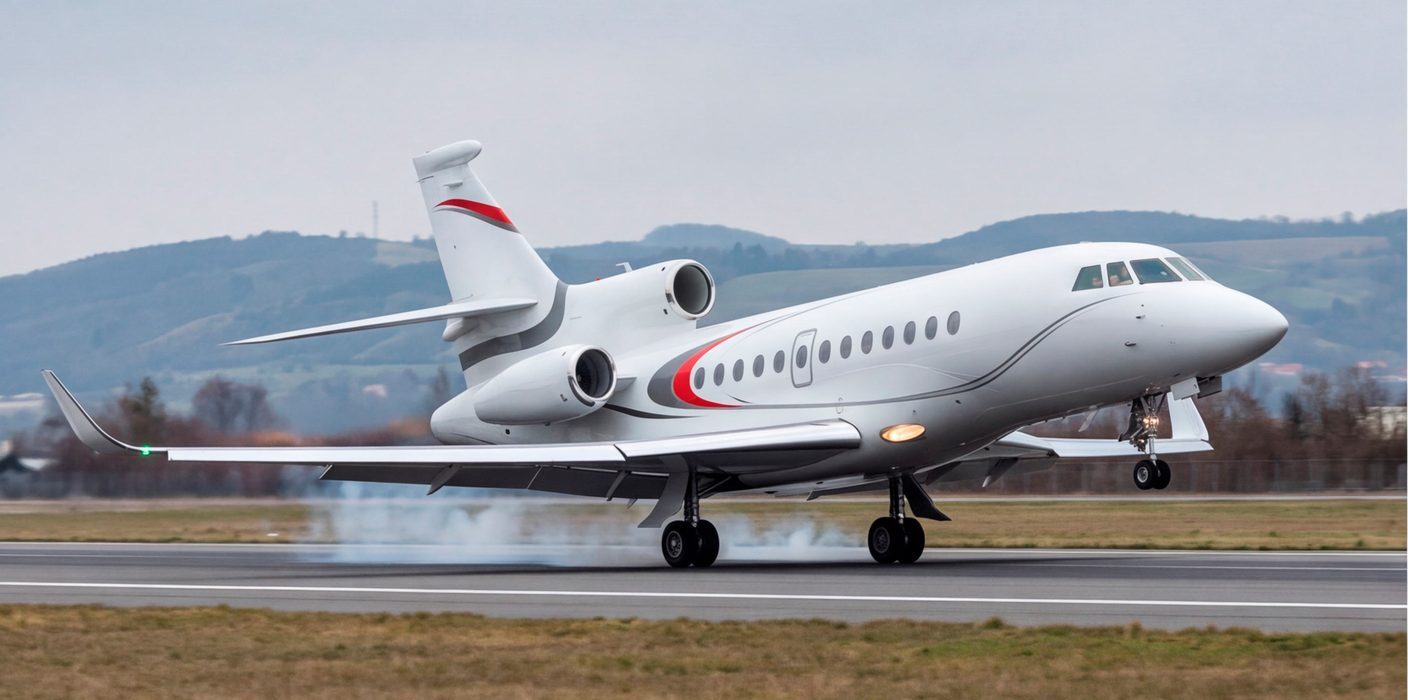
An aircraft’s avionics and cabin connectivity systems age differently from its airframe and engines, often becoming functionally or commercially outdated well before any structural component reaches a life limit. Owners who treat these upgrades as a strategic decision, rather than reacting only when something breaks, tend to keep their aircraft both more pleasant to fly in and more valuable at resale.
Cabin Wi-Fi options: Ka-band, Ku-band and air-to-ground
Cabin connectivity today generally comes down to three underlying technologies. Air-to-ground systems, relying on ground-based cell towers, offer reasonable coverage over well-served regions such as North America but drop off entirely over oceans and remote areas. Ku-band satellite systems provide broader global coverage at moderate speeds suitable for email and basic browsing, while newer Ka-band and high-throughput satellite systems deliver meaningfully faster speeds capable of comfortably supporting video calls and streaming, though often at a higher equipment and subscription cost. The right choice depends heavily on typical routes: an aircraft flying primarily domestic missions has different needs from one making regular transoceanic crossings.
Cockpit avionics upgrade cycles
Cockpit avionics face a different kind of obsolescence, driven largely by regulatory mandates and airspace modernization rather than simply aging technology. ADS-B Out equipment, required in most major airspace systems for aircraft to be seen by air traffic control’s satellite-based surveillance network, is now a baseline requirement rather than an optional upgrade in the regions where it applies, and an aircraft without compliant equipment can find itself restricted from certain airspace entirely. Beyond mandated equipment, newer flight management systems and synthetic vision displays offer genuine safety and situational awareness benefits that many owners find worth the investment even when not strictly required.
How connectivity affects resale value
Buyers shopping the pre-owned market increasingly treat cabin connectivity as a near-essential feature rather than a luxury option, and an aircraft with outdated or absent Wi-Fi can sit on the market longer or command a noticeably lower price than a comparable aircraft with current connectivity already installed. The same is increasingly true of avionics currency: an aircraft that already meets current and anticipated near-term regulatory requirements removes a cost and logistics burden from the buyer’s side of the negotiation, which is reflected in how quickly it sells and at what price relative to an aircraft needing the same upgrade after purchase.
Prioritizing upgrades sensibly
For an owner planning to keep an aircraft for the medium to long term, prioritizing regulatory-mandated avionics first, then cabin connectivity matched to actual route patterns, tends to produce the best return on the upgrade budget. For an owner planning a sale within the next year or two, connectivity and avionics currency are often the single most cost-effective upgrades available, frequently returning more in shortened time on market and stronger achieved price than their installed cost, which makes them worth completing before listing rather than leaving for the next owner to address.
Choosing between a midsize and an ultra-long-range jet is ultimately about matching capability to your real flying pattern — and once that choice is clear, the next priority is execution. Timing matters, and at IST Yacht & Jet we know how to source, negotiate, and deliver the right aircraft faster than the market standard, cutting through the usual delays and intermediaries.
To arrange a private consultation, reach out directly: